The First Trans-Iowa: 300 Miles of Unforgiving Dirt & Limestone
In the spring of 2005, long before "gravel racing" was an industry buzzword, a handful of riders lined up in Hawkeye, Iowa. The rules were simple: 300+ miles, self-supported, navigating by cue sheets through night and storm.
When the Road Turns to Paste
The midwestern gravel in early spring isn't smooth hardpack. When the rains broke over Fayette County at 2:00 AM, the B-roads turned to thick, peanut-butter limestone paste. Derailleurs snapped, rim brakes choked with mud, and riders abandoned in unlit farm driveways.
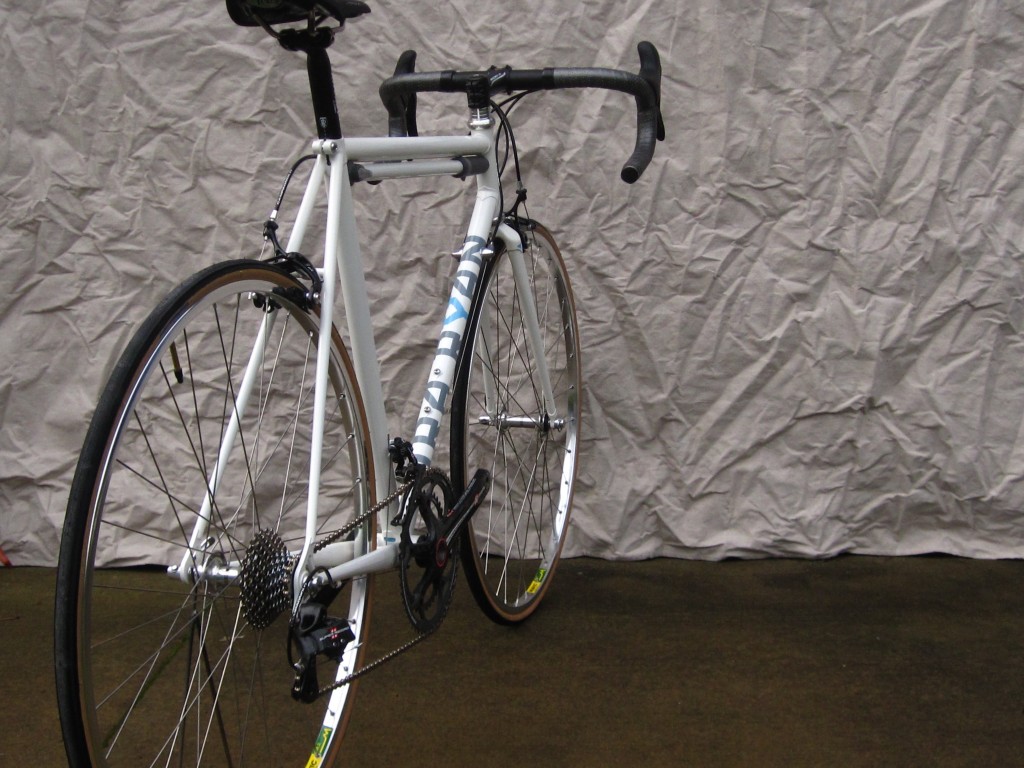
I was campaigning on a prototype steel frame. Riding through thirty continuous hours of wind, freezing rain, and grinding limestone grit taught me fundamental lessons that no computer simulation could replicate:
- Chainstay Mud Clearance: Why standard road clearances are lethal on long rides; a true gravel frame must clear 45mm tires with at least 8mm of mud clearance on all sides.
- Low-Trail Front Geometry: When carrying a front handlebar bag packed with cue sheets, batteries, and warm layers, low-trail geometry (35mm–42mm) prevents high-speed shimmy and eliminates steering fatigue.
- The Compliance of Steel: After 200 miles on washboard gravel, aluminum vibrates fatigue into your collarbones and hands. Air-hardened chromoly steel acts as a natural harmonic damper.
The Heritage in Every Modern Frame
That inaugural Trans-Iowa finish cemented the blueprint for what would become the Ira Ryan Randonneur and CX frames. When we cut and miter tubes today in our Portland shop, that 300-mile night across Iowa is in every braze joint.